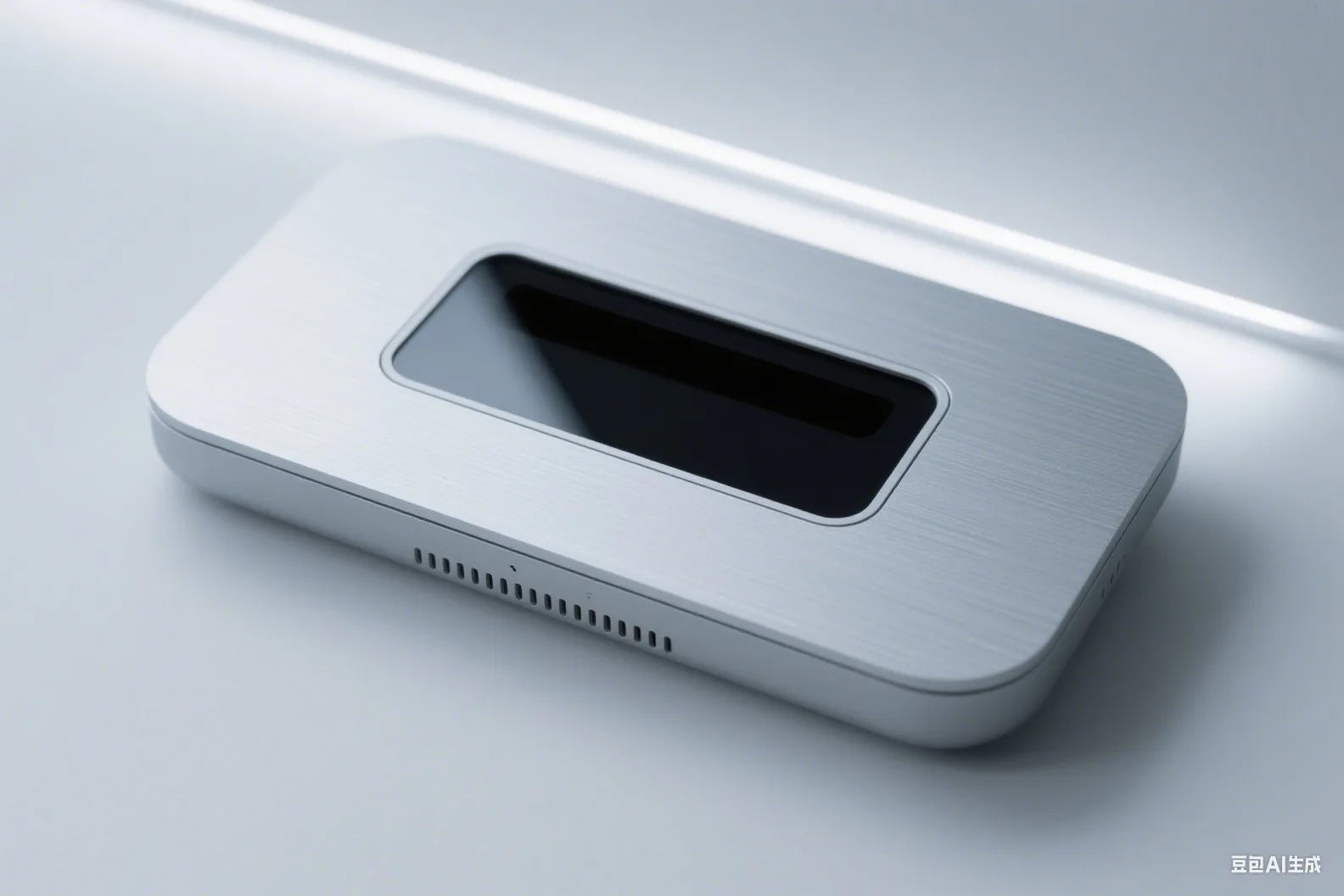
When it comes to LCD module design, CDTECH is known for offering not just standard TFT-LCD displays, but also custom structures that meet specific terminal requirements. One of our key innovations is the dual-cover fully laminated LCD module, a design that offers both mechanical stability and sleek UI integration.
In this article, we introduce the core idea behind this structure, its benefits, and why many of our customers choose it as the default solution for embedded applications.
What Is a Dual-Cover LCD Module?
Unlike conventional modules that use a single front cover glass, our dual-cover LCD module consists of two optical layers:
- Bottom Cover Lens
- Top Transparent Cover Lens
These two layers are fully laminated using OCA (optical clear adhesive), forming a rigid and bubble-free display unit.
Why Use a Dual-Cover Structure?
This structure is ideal for embedded applications where only the display’s active area (AA) should be visible to the user. Here are the key advantages:
- Mechanical Integration The bottom cover allows customers to apply adhesives such as foam gaskets around the edges. This makes it easy to embed the module into the housing, ensuring a stable fit. The result: only the transparent UI zone is visible, while the rest is hidden under the enclosure.
- Improved Protection The bottom cover lens adds structural rigidity, protecting the LCD module during handling, installation, and long-term use.
- Clean UI Presentation Because the top cover glass is precisely aligned with the AA region, the product presents a polished, focused interface with no exposed non-functional screen areas.
- Efficient Assembly Edge bonding using foam tape or other adhesives simplifies installation and ensures consistency, especially for mid- to high-volume production.
Visualizing the Structure
To better visualize the structure and integration method of the dual-cover LCD module, we have included two AI-generated diagrams below. While these are not photographs, they accurately reflect the concept behind CDTECH’s standard full-lamination dual-cover design.
The first image shows the uninstalled state of the module, where both the top transparent cover and the bottom structural cover can be clearly seen. This view helps explain how the bottom cover provides adhesive support for foam gaskets or structural bonding.
The second image illustrates the installed state, where the LCD module has been embedded into a product housing. As intended, only the top cover lens, aligned with the active display area (AA), is visible from the outside, resulting in a clean and user-focused interface.
These visual examples are especially useful when discussing UI-window integration or explaining assembly methods to designers and engineers.
The following illustrations are AI-generated for visualization purposes. They represent the conceptual structure of CDTECH’s dual-cover LCD module and are not actual photographs.

A clear look at both top and bottom covers before assembly.

Only the AA window is exposed; the rest is embedded inside the product.
Ideal Applications
This design is highly suited for products that require a “window-style” display appearance or seamless panel integration, including:
- Smart home control panels
- Industrial touch displays
- IoT terminals and gateways
- Customized embedded systems
- Any application requiring a focused UI area with protected edges
CDTECH’s dual-cover fully laminated LCD modules offer a smart combination of form, protection, and ease of assembly. By using this structure, you can achieve a polished front interface while simplifying integration into your product’s housing.
If you’re looking for an LCD module that supports clean UI design, mechanical reliability, and fast assembly, this solution is worth considering.
Feel free to reach out to our team for drawings, samples, or custom design proposals.



 English
  Español
  日本語
日本語  한국어
한국어
Leave a Reply